
The Signs And Symptoms Of Oral Cancer
Oral cancer arises from abnormal cell growth in the mouth, lips, tongue, or throat. Early detection significantly increases the chances of successful treatment for oral cancers. Individuals aged 45 and above are at higher risk, yet regardless of age, it’s important to consider oral cancer screening if you’ve noticed any of these symptoms:
- Discoloured patches in the mouth or on the lips, including white or dark red patches.
- Unusual lumps or changes in texture.
- Persistent canker sores, numb patches, or ongoing bleeding.
- Tongue discomfort, alterations in taste, or difficulty swallowing.
Several behaviors and conditions elevate the risk of oral cancer, such as:
- Smoking or using tobacco products like cigarettes, cigars, or chewing tobacco.
- Heavy or moderate alcohol consumption, particularly when combined with tobacco use.
- Potential human papillomavirus (HPV) infection in the mouth.
- Prolonged exposure to sunlight, especially with a sun-exposed lifestyle.
- Poor dietary habits or inadequate nutrition.
- Family history of oral cancer.
- Oral cancer is more prevalent among men than women.
- Previous diagnosis of leukoplakia, characterized by thick, whitish patches inside the mouth.
Prevention, Detection And Treatment Of Oral Cancer
The treatment approach will be tailored to each individual case, considering factors such as the severity, type, and location of the suspected cancer.
Spotting early signs of cancer
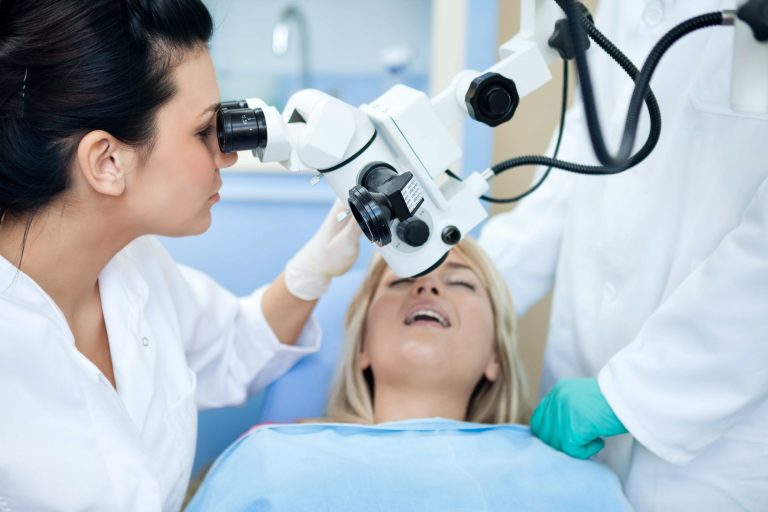
The objective of an oral cancer screening is to detect cancer or precancerous conditions in your mouth at an early stage. During the examination, your dentist will inspect the inside of your mouth and under your tongue for any red or white patches or suspicious sores. They will also palpate the tissues in your mouth to detect any lumps or unusual textures and may additionally examine the exterior of your throat and neck for any abnormalities.
Diagnosis and treatment
Should signs of cancer be identified during your oral screening, you might be recommended to undergo further testing, such as a biopsy (involving the removal of a small piece of suspicious tissue for laboratory analysis) or imaging examinations like X-rays, ultrasounds, CT scans, or an MRI. Treatment options for confirmed tumors may include surgery, chemotherapy, or radiation therapy.
Prevention of oral cancer
There are proactive measures you can take now to reduce the risk of developing oral cancer in the future. This includes scheduling regular dental check-ups for routine exams, quitting tobacco use, moderating alcohol consumption, being mindful of sun exposure and using UV-protective lip balms, maintaining a healthy diet rich in fruits and vegetables, and routinely checking your mouth for signs or symptoms during brushing and flossing to promptly report any concerns to your dentist. These steps can help safeguard your oral health and lower the likelihood of oral cancer.
Contact us today
to schedule an initial consultation & exam.
Your consultation will include an examination of everything from your teeth, gums and soft tissues to the shape and condition of your bite. Generally, we want to see how your whole mouth looks and functions. Before we plan your treatment we want to know everything about the health and aesthetic of your smile, and, most importantly, what you want to achieve so we can help you get there.
Frequently Asked Questions
If you have any risk factors linked to oral cancer, it’s recommended to ask for an oral cancer screening during your regular dental check-up. Additionally, if you’ve observed any unusual patches or textures in your mouth, or have discovered a lump or suspicious sore, it’s highly advised to promptly arrange an appointment with your healthcare provider for thorough evaluation and management. Early detection through such screenings can greatly enhance treatment success and outcomes. Therefore, staying vigilant in monitoring and addressing any potential signs or symptoms is vital for maintaining optimal oral health and overall well-being.
Throughout your dental examination, your dentist will meticulously examine different regions of your oral cavity, such as your lips, cheeks, gums, and all parts of your tongue. They will also carefully feel these areas to identify any lumps or unusual textures. Moreover, your dentist might expand this assessment to include your face, jaw, throat, and neck, looking for any abnormalities or indications of tenderness. This thorough evaluation facilitates early detection and guarantees a comprehensive assessment of your oral health condition.
Start by thoroughly washing your hands with warm, soapy water. Position yourself in front of your bathroom mirror and conduct a detailed examination of the roof of your mouth, lips, tongue, and gums. Gently pull your top lip upward and bottom lip downward to inspect behind them. If necessary, utilize a piece of gauze or a cotton pad to aid in gripping your tongue, allowing for examination of its sides and underside. Be diligent in observing your gums and use your fingers to explore the insides of your mouth. Look for any alterations in colour, presence of lumps or bumps, unusual textures, or signs of tenderness. Should you notice any sores that remain unhealed after two weeks, it’s essential to promptly inform your dentist.
Small, usually painless, flat patches may appear in different colours like red, white, grey, or yellow, often with red edges. These patches can emerge in any area of the mouth, including the lips, gums, cheeks, tongue, and the roof of the mouth. As a rule of thumb, it’s recommended to have any unusual appearance or sensation checked by your doctor or dentist.
What Our Patients are Saying
- Video testimonials
- Google reviews
Totally Thrilled with the Results!

Patient is Very Happy with the Outcome

I am so happy with my smile